Manual Drain Unblocking vs. Specialized Machinery: What's the Difference?
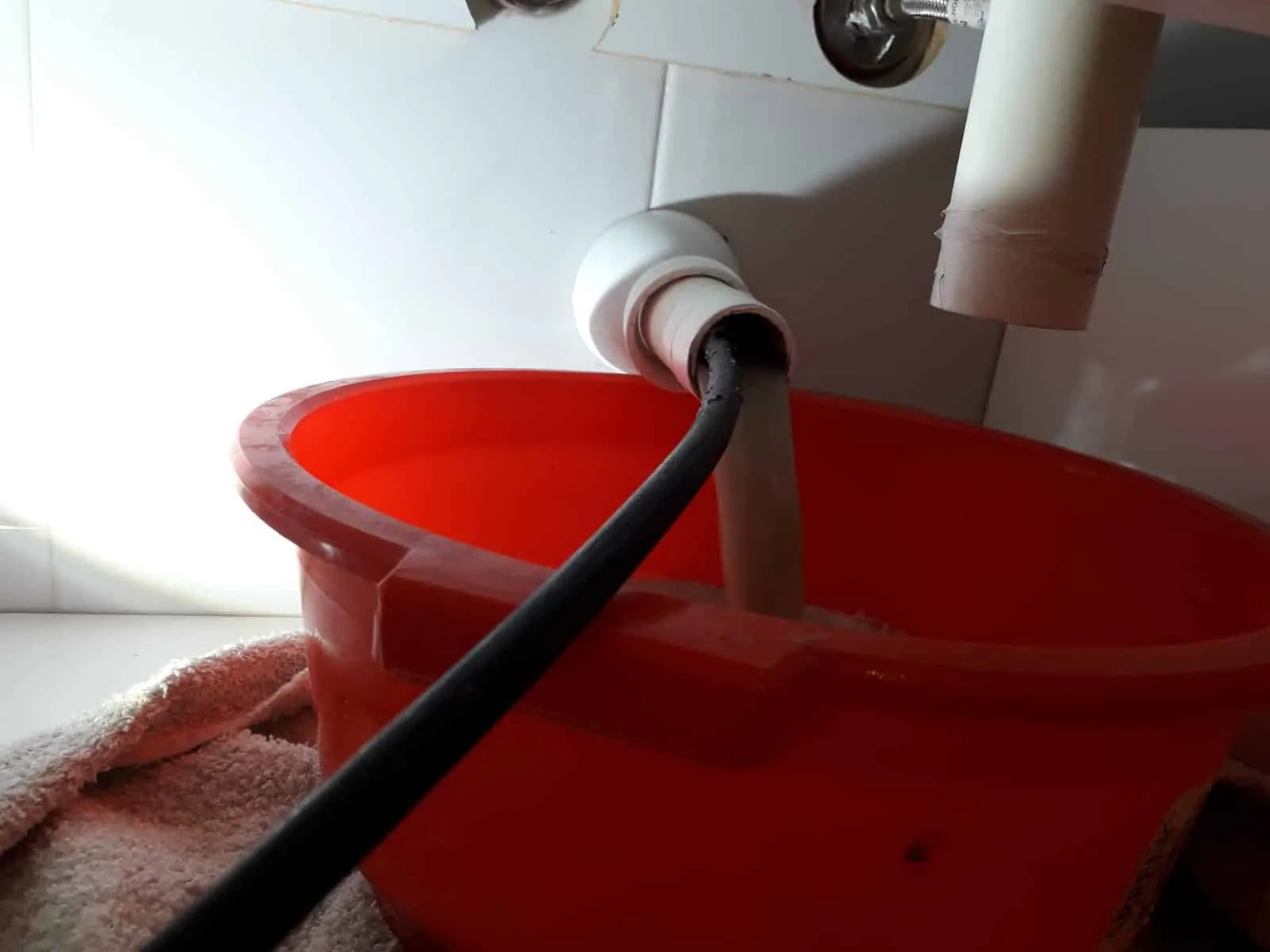
A blocked drain in the kitchen, bathroom, or a building's shared pipework doesn't always call for the same solution. There are two broad approaches to clearing blocked pipes: manual methods, which almost anyone can attempt with basic tools, and specialized machinery, reserved for professionals with more powerful and precise equipment. Understanding the difference explains why, in many cases, calling a technician from the start saves time, money, and frustration.
Manual methods: quick, but with limited reach
Manual methods include the plunger, manual rods or flexible spirals, and chemical drain cleaners. They work well for shallow, recent blockages, such as a sink clogged with hair and soap residue or a toilet obstructed by paper near the outlet. Their main advantage is immediacy: no need to wait for a technician or heavy equipment, and in many homes they solve the problem within minutes. Their reach, however, is limited. A manual rod rarely goes beyond a few metres of pipe, and its force is no match for hardened grease build-up, roots that have already penetrated the pipe, or compacted sediment that has accumulated over years. Chemical cleaners, meanwhile, can damage older pipes or certain materials if used repeatedly, and they only partially dissolve the blockage rather than physically removing it.
What specialized machinery brings
Specialized machinery changes the picture entirely. High-pressure water jetting trucks, often called tanker trucks or hydro-jetting units, project water at high pressure through nozzles designed to cut through grease, flush out sediment, and strip roots from the inner walls of the pipe. Unlike a brush or a rod, the water jet cleans the entire interior diameter rather than just boring a central channel, which greatly reduces the odds of the same blockage returning within weeks. Electromechanical spirals, for their part, are motorized versions of manual rods, fitted with interchangeable heads that can cut roots, break down limescale build-up, or retrieve objects, reaching far longer stretches of pipe with a constant force no human arm can match.
How to tell which method your blockage needs
Which method to use depends on the type of blockage. For a single, recent, easily accessible obstruction, a manual attempt is reasonable before calling in a professional. But when the blockage keeps coming back — reappearing weeks after it was supposedly "fixed" — when it affects several points of the property at once, when there's a persistent bad smell, or when it involves a building's main drain line or an older property's ageing pipework, specialized machinery stops being optional and becomes necessary. In Mallorca, where many homes are decades old and sit alongside gardens and mature urban trees, root intrusion and limescale build-up are common causes of blockages that no manual method can resolve permanently.
Common mistakes before calling a professional
Many of the blockages we attend have been made worse by what happened in the hours before. The most common mistake is stacking different chemical products: mixing an acid drain cleaner with an alkaline one or with bleach can trigger violent reactions and irritating fumes, and it leaves corrosive liquid in the pipe that the technician will have to deal with later. Another classic is to keep flushing a toilet that has stopped draining, which only makes it overflow. Nor is it a good idea to pour boiling water down PVC pipework again and again, as the joints can suffer, or to force a metal rod into old or badly deteriorated pipes, where one sharp twist can finish off a section that was already weak.
The rule of thumb is simple: if a couple of sensible attempts with a plunger or a short rod, without harsh products, don't clear the blockage, it's time to stop. And if water is coming up through the shower tray or a ground-floor gully, the problem is already further downstream and won't be solved from the basin: that's the moment to call for emergency unblocking.
Typical blockages in Mallorca and how they're cleared
Each type of property has its own typical blockages. In older flats in central Palma and in many apartment buildings, the problem usually lies in the shared downpipes and collectors, lined with decades of grease and limescale: there, high-pressure water jetting from the inspection chamber or the ground-floor access point is the natural tool. In villas and houses with gardens, the roots of pines, ficus and other trees seek out the moisture at the joints and end up forming dense tangles inside the pipe, which are cut away with dedicated heads and then checked with a camera.
In holiday rentals, peak-season blockages almost always have the same origin: wet wipes, sanitary products and other items that guests flush without realising the system isn't designed for them. Rather than just poking a hole through with a rod, what works is flushing the debris out completely and telling guests clearly what not to flush down the toilet or sink. And all over the island, hard water leaves limescale that gradually narrows the pipe; that crust won't dissolve with household products and needs pressure or descaling heads.
What happens during a professional unblocking
A job done properly follows an order. First, the affected section is located from the symptoms, checking which fittings drain and which don't. Then the best access point is chosen — an inspection chamber, a rodding eye or the outlet of the fitting itself — along with the right tool for the diameter and the type of debris: our equipment works on pipes from 32 mm, the size of a basin waste, up to 350 mm, the size of a main collector. Once the flow is restored, plenty of water is run through to confirm normal drainage and, if there's any doubt about the condition of the pipe, it's checked with a camera. The waste removed is handed over to authorised waste handlers. That methodical approach is what separates a professional drain unblocking from a quick fix that lasts a few weeks.
Unblocking is not the same as diagnosing
Beyond the result itself, there's a deeper difference: a professional doesn't just clear the blockage, they diagnose it. An experienced technician can tell whether a problem is isolated or a symptom of broader deterioration in the plumbing, and can recommend a CCTV pipe inspection if a structural cause is suspected. At Tuberías y Aljibes we've spent more than fourteen years covering the whole island around the clock, and experience has taught us that using the right tool from the first callout avoids repeat visits and bigger damage down the line.
Frequently asked questions
Can I use chemical drain cleaners regularly?
It's not a good idea. They only dissolve part of the debris without flushing it away, and repeated use wears out seals and pipework, especially in older installations. For maintenance it works better to clean the traps now and then and, if blockages keep coming back, to have the pipes cleaned with high-pressure water.
Can high-pressure water damage my pipes?
Used correctly, it shouldn't. The pressure and nozzle are matched to the diameter and condition of each pipe, and when a system is badly deteriorated it's checked with a camera first to decide how to work. What really punishes a pipe is a blockage left to grow for months.
Why does the blockage come back a few weeks after it was cleared?
Usually because only a channel was opened through the middle of the debris and the rest is still stuck to the walls, or because there's a structural cause: a back-fall, a displaced joint or roots inside the pipe. In those cases the full diameter needs cleaning and, often, the section needs to be seen on camera.
Do you handle blockages outside normal working hours?
Yes. We run a 24-hour emergency service, 7 days a week, across all of Mallorca. If water is overflowing or you can't use the bathroom or kitchen, call 695 787 366 and we'll tell you what to do while the crew is on its way.
Related services
Where we work
Keep reading
24h emergency unblocking
Emergency: +34 695 787 366