Why You Shouldn't Put Off Pipe Cleaning
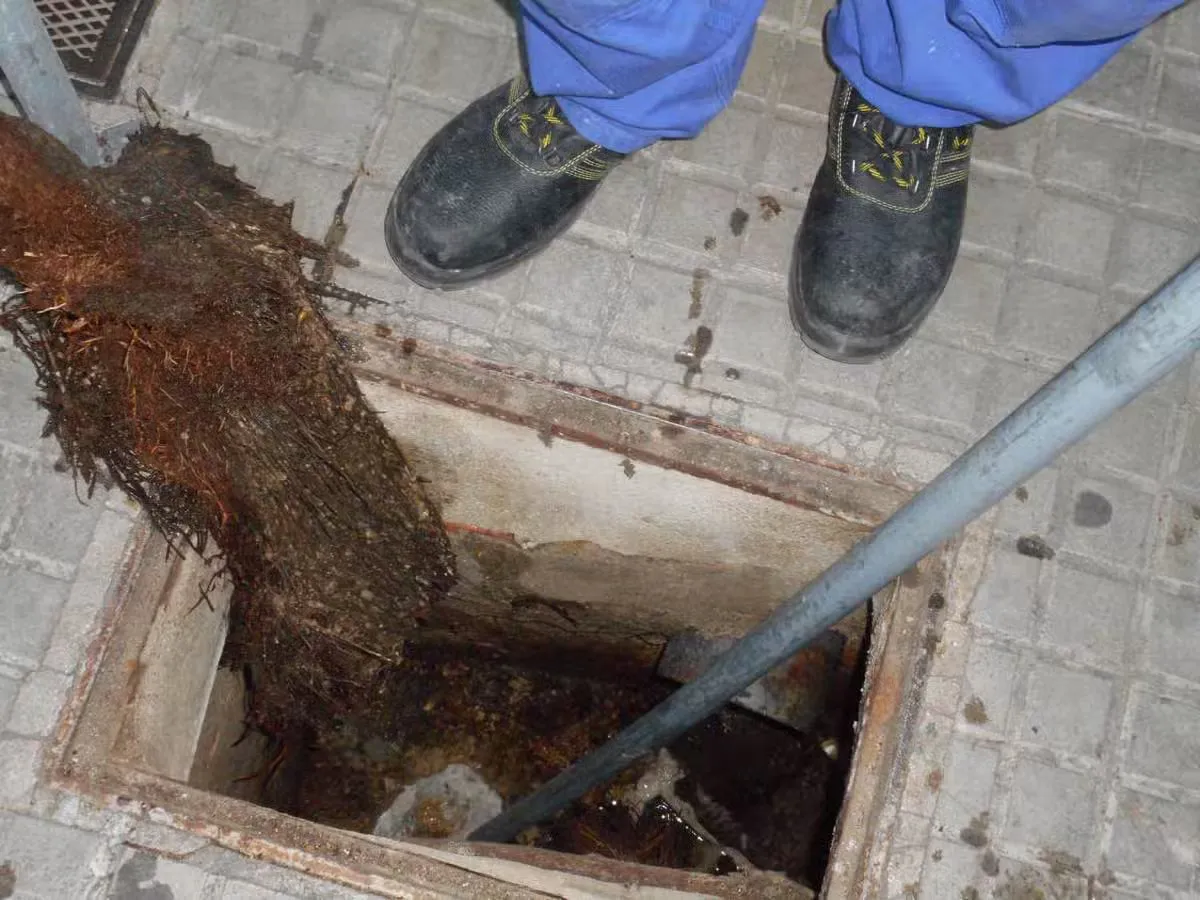
It's very common to put off cleaning pipes until "they cause a real problem." As long as water still drains, even if a little slower than before, the temptation to postpone it is strong. The trouble is that pipes don't fail all at once: they deteriorate gradually, and when a serious blockage finally shows up, it's almost always the result of months or years of wear that could have been avoided with much simpler, cheaper check-ups along the way.
From a slow drain to an emergency blockage
The first effect of delaying cleaning is that small blockages become big ones. A build-up of grease, limescale, hair or organic debris that today barely reduces flow will, over time, compact and cling to the inner walls of the pipe, steadily narrowing its usable diameter. What starts as a slightly slow drain ends up, almost without warning, as a full obstruction that needs emergency attention, usually at the worst possible moment.
Smells and pests: the first warning signs
Bad odours are another common consequence and often the first visible sign of trouble. Organic matter trapped in a dirty pipe decomposes and produces gases that rise back up through the drain, particularly noticeable in kitchens and bathrooms. That smell isn't just an annoyance: it signals an active build-up that becomes harder to clear with a standard cleaning the longer it's left. If you want to know exactly where it might be coming from, we go into detail in our guide to bad smells from drains.
Dirty pipes also attract pests. Food residue, grease and decomposing organic matter draw insects such as drain flies or cockroaches, which find these damp, dark stretches an ideal place to settle and breed. Once a pest problem takes hold in the drainage system, solving it takes a lot more than a simple pipe cleaning and usually requires additional treatment.
The silent wear on the pipe itself
Another important factor is wear on the pipe material itself. Constant residue build-up, combined with permanent moisture, encourages corrosion in metal pipes and deterioration of joints and seals regardless of material. Over time this can lead to cracks, small leaks or breaks that don't just affect drainage but can damage nearby walls, floors and structures, with repairs far more costly than a preventive clean would have been.
Why pipes get dirty faster in Mallorca
Two factors on the island speed this whole process up. The first is the water: across much of Mallorca it's hard, with a high lime content, and that lime slowly settles on the inside of the pipes. The scale doesn't just narrow the bore; it leaves a rough surface that grease and debris grip far more easily than they would a smooth pipe. That's why a kitchen drain in a hard-water area gets dirty sooner than the same drain with soft water.
The second factor is seasonal use. Many coastal homes, from Calvià to Alcúdia, sit closed for months and then fill up all at once in summer. While the house is shut, whatever residue was left in the pipes dries and hardens; when the property is back in full use, with more people, more showers and more cooking, that hardened residue is where the blockage starts. If you let the property to holidaymakers, checking the plumbing before the season is part of preparing a holiday rental properly, just like servicing the air conditioning or the pool.
The longer you wait, the more it costs
And that's precisely the clearest financial argument: the longer you wait, the more expensive the fix. A routine maintenance clean is usually a quick, reasonably priced service. An emergency unblocking job, especially one requiring specialised equipment, opening up sections of pipe, or repairing associated damage, can multiply that cost several times over. On top of that comes the risk of the problem hitting at the worst possible moment, such as on a weekend, during a family gathering, or while the property is rented out to tourists, when a breakdown costs not just money but peace of mind too.
What a proper preventive clean involves
A maintenance clean isn't a matter of pouring a product down the drain. It usually starts with locating the system's inspection chambers and access points, checking for standing water or built-up sediment, and then jetting the runs with high-pressure water. Our trucks can handle pipes from 32 mm to 350 mm, with the pressure and nozzle matched to the diameter and condition of each section, so the residue is flushed off the whole pipe wall rather than just a channel being opened through the middle. Everything removed is handed over to authorised waste handlers.
If a clean turns up one spot that gets dirtier than the rest, a section that holds water, or a point where the flow won't move, the sensible thing is to look inside before going any further. A CCTV pipe inspection shows whether there's a back-fall, a displaced joint or roots, and saves you from repeatedly cleaning a defect that cleaning can't fix. As for frequency, as a practical guide a home in regular use is usually fine with one check a year, while busy kitchens, apartment buildings and holiday lets need checking more often.
Signs that it's time to stop waiting
Some symptoms mean maintenance is already overdue and it's worth acting soon: several drains running slowly at once, gurgling in the toilet or shower when another fitting is used, smells that return a few days after cleaning the trap, water slow to clear from the chamber in the yard, or damp patches appearing near a downpipe. None of these is an emergency yet, but they all say the same thing: the pipe has lost bore and the next step is a complete blockage. If water is already backing up or not draining at all, don't wait until tomorrow: our 24-hour emergency unblocking service works seven days a week on 695 787 366.
At Tuberías y Aljibes we see cases every week that could have been resolved with a simple preventive check months earlier. Our recommendation is always the same: treat pipe cleaning as scheduled maintenance, not as a reaction to an emergency. With more than fourteen years working across Mallorca, from flats in Palma to inland country properties, we know that proactive maintenance isn't an extra expense — it's the most sensible way to avoid much bigger expenses down the line.
Frequently asked questions
How often should a home's pipes be cleaned?
For a home in regular use, one check and clean a year is usually enough to keep the system in good shape. If the kitchen gets heavy use, the water in your area is very hard, or the property is let to tourists, it's worth shortening that interval or doing one check before the season and another after it.
Do drain-unblocking products work as maintenance?
No. They dissolve part of the residue and open a channel for a few days, but most of the grease and scale stays stuck to the pipe wall. Repeated use also takes a toll on seals and pipework, especially in older installations. Real maintenance is a mechanical clean that flushes residue off the full diameter.
Can high-pressure jetting damage an old pipe?
Not if it's done with judgement. The pressure and nozzle are matched to the diameter and condition of each section, and where there's doubt about the pipe's integrity it's checked with a camera first. In badly deteriorated pipework, that prior inspection shows which sections can be cleaned and which ought to be repaired first.
My house sits empty for months at a time. What should I do?
Before closing it up, run water through every drain and make sure no grease is left in the sink. When you come back, run all the taps for a few minutes before putting the house into full use. If the plumbing hasn't been checked for a while, that's a good time to do it, just as when getting your pipes ready for winter.
Related services
Where we work
Keep reading
24h emergency unblocking
Emergency: +34 695 787 366