CCTV Pipe Inspection: Accurate Diagnosis Without Digging
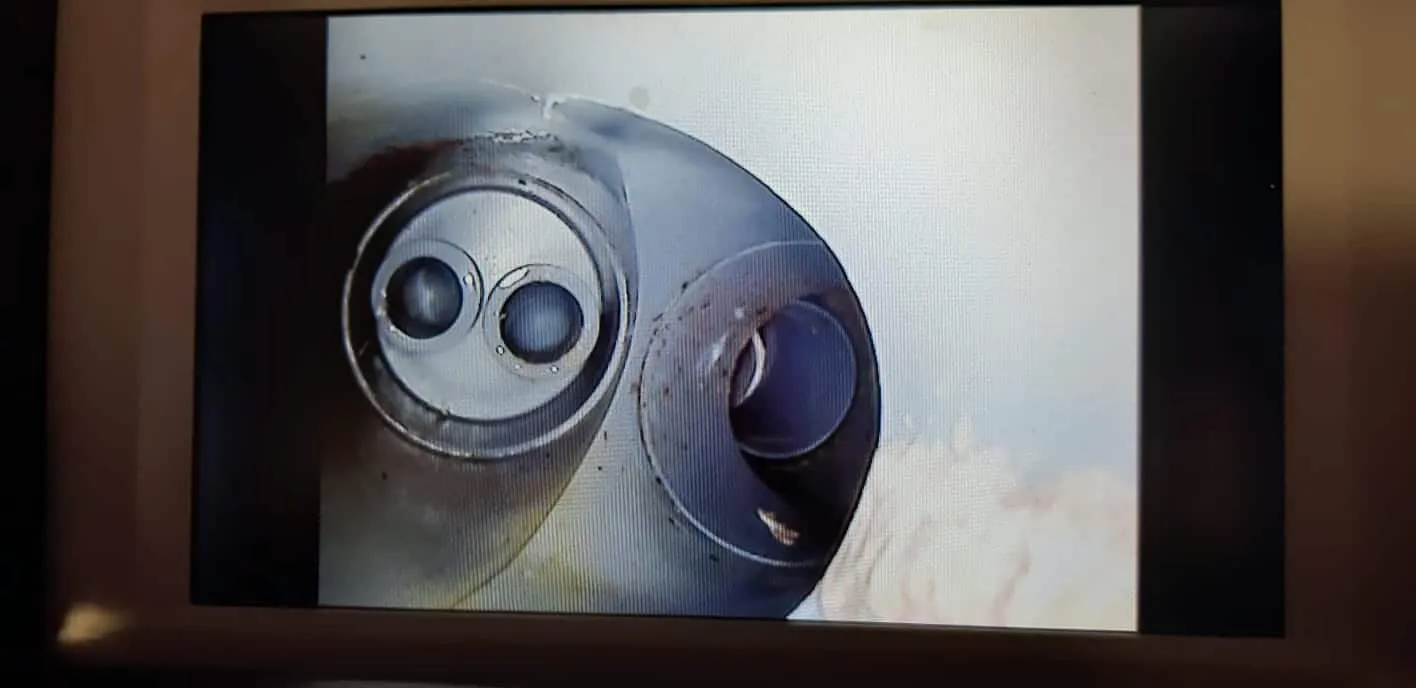
For decades, finding out what was happening inside a buried pipe meant one thing: breaking up the floor or digging a trench to see the problem with your own eyes. That uncertainty has shrunk considerably thanks to CCTV pipe inspection, a technique that lets a technician travel through the inside of a pipe, see its real condition, and pinpoint exactly where the fault lies, in most cases without any groundwork at all.
How a camera inspection works
The system uses a waterproof camera mounted on the end of a semi-rigid cable, which is fed into the pipe through an existing manhole, drain, or access point. As the technician pushes the probe forward, they watch live footage on a screen showing the inside of the pipe: the condition of the walls, any cracks, the build-up of roots, sediment or grease, and any deformation along the route. Many rigs also include a radiofrequency locating system, which pinpoints the camera's exact position from the surface to within a few centimetres. This matters because, if a targeted repair turns out to be necessary, the crew knows exactly where to dig instead of opening up long stretches of pipe as a precaution.
What problems it can detect
This technique can diagnose a wide range of problems. It picks up cracks and fractures in the pipe, often invisible from the outside until they cause a leak or ground subsidence. It identifies tree root intrusion, where roots exploit any joint or hairline crack to get in searching for moisture and end up choking the flow of water. It reveals poorly executed or displaced joints between pipe sections, a common defect in older installations or badly finished work. And it shows misalignments or reverse gradients, meaning stretches where the pipe doesn't have the correct slope and water doesn't flow properly, causing recurring blockages no matter how often the pipe is cleaned.
Diagnosis based on data, not guesswork
The main advantage over traditional methods is avoiding "blind" diagnosis. Without a camera, a technician can only guess where the problem lies based on indirect symptoms — smells, damp patches, repeat blockages — and, in the worst case, ends up opening a long trench out of caution, with all the cost, time, and disruption that involves. With camera inspection, the intervention is planned using concrete data, which cuts down on unnecessary groundwork and narrows the repair budget from the outset.
When it's worth doing
This technique is particularly worth doing in two specific situations. Before a renovation, it lets you check the real condition of existing pipework before deciding whether it can be reused or should be replaced, avoiding surprises halfway through the job. And before buying a property or a rural estate, it gives a reliable picture of the state of the drainage system, something that often goes unnoticed in a standard visual inspection but can turn into a significant short-term expense if ignored.
Beyond those two moments, it also makes sense when a blockage keeps coming back at the same spot despite being cleared, when there are smells or damp patches with no clear explanation, or in apartment buildings planning to renovate their downpipes and collectors that need to know which sections are genuinely damaged. It's particularly useful in older buildings, where the pipework has been through several renovations and often nobody knows for sure where it runs.
How to prepare for an inspection
For the camera to show anything useful, the pipe needs to be reasonably clean. If there's a blockage or a thick layer of grease and sediment, all you see on screen is debris, so the usual approach is to jet the pipe with high-pressure water first and record afterwards, often in the same visit. It also helps to locate the inspection chambers and access points beforehand — in many homes they've ended up under plant pots, artificial grass or paving — and to gather whatever is known about the installation: plans, previous renovations and the spots where problems keep recurring. The better the starting point is understood, the faster the crew reaches the section that matters.
What we tend to find in Mallorca homes
After many years running cameras through pipes all over the island, certain findings come up again and again. In the older buildings of Palma and the historic centres of the villages, it's common to find materials no longer in use, joins between pipes from different eras and downpipes whose bore has been heavily narrowed by limescale from the hard water. On developments with pine woods and mature gardens, roots get in through the joints of buried collectors. And on country properties that aren't connected to the municipal network, the run from the house to the septic tank often has back-falls and ground settlement that only a camera can reveal; if that's your situation, it's worth checking it alongside your septic tank maintenance.
The report and what to do next
After the inspection, the client receives a report with photographs and, usually, the full video of the run, with any issues flagged and located. This document is useful not only for deciding on repairs but also as backup for insurance companies, homeowners' associations, or future property negotiations.
With the report in hand, the options usually come down to three: a thorough clean when the pipe is sound but dirty, a localised repair when the damage is limited to one joint or a short stretch, or replacing a section when the deterioration is widespread. Whichever it is, it's worth running the camera again once the work is finished to confirm the problem has been solved, and keeping that recording alongside the first one.
On an island like Mallorca, with a housing stock spanning many different eras and pipework that in many cases hasn't been checked in decades, CCTV pipe inspection has become an essential tool for making informed decisions before any work begins.
Frequently asked questions
Does anything need to be broken to inspect a pipe with a camera?
In most cases, no. The camera goes in through an existing inspection chamber, access point or drain. Only when there's no usable access at all might a small opening be needed, and then the least disruptive spot is chosen.
How long does an inspection take?
It depends on the length of the run, the access available and whether the pipe needs cleaning first. In a typical home one visit is usually enough, and if high-pressure jetting is needed it can be done as part of the same job. Long networks, such as those in an apartment building or an industrial unit, are planned section by section.
Can the camera find a water leak?
It can locate breaks in drains and sewer pipes, which often explain damp in floors and walls. Leaks in pressurised water pipes, the ones carrying clean water to taps and appliances, are traced with other leak detection techniques instead. The two are often combined to rule out causes.
Is it worth doing before buying a house or a country property?
Yes, especially with older homes or properties with a septic tank. It tells you whether the drainage is in good condition or will need investment in the short term, which can carry weight in the negotiation. The video also serves as a reference for any later work.
Related services
Where we work
Keep reading
24h emergency unblocking
Emergency: +34 695 787 366