Checklist to Prepare Your Water Tank Before Cleaning
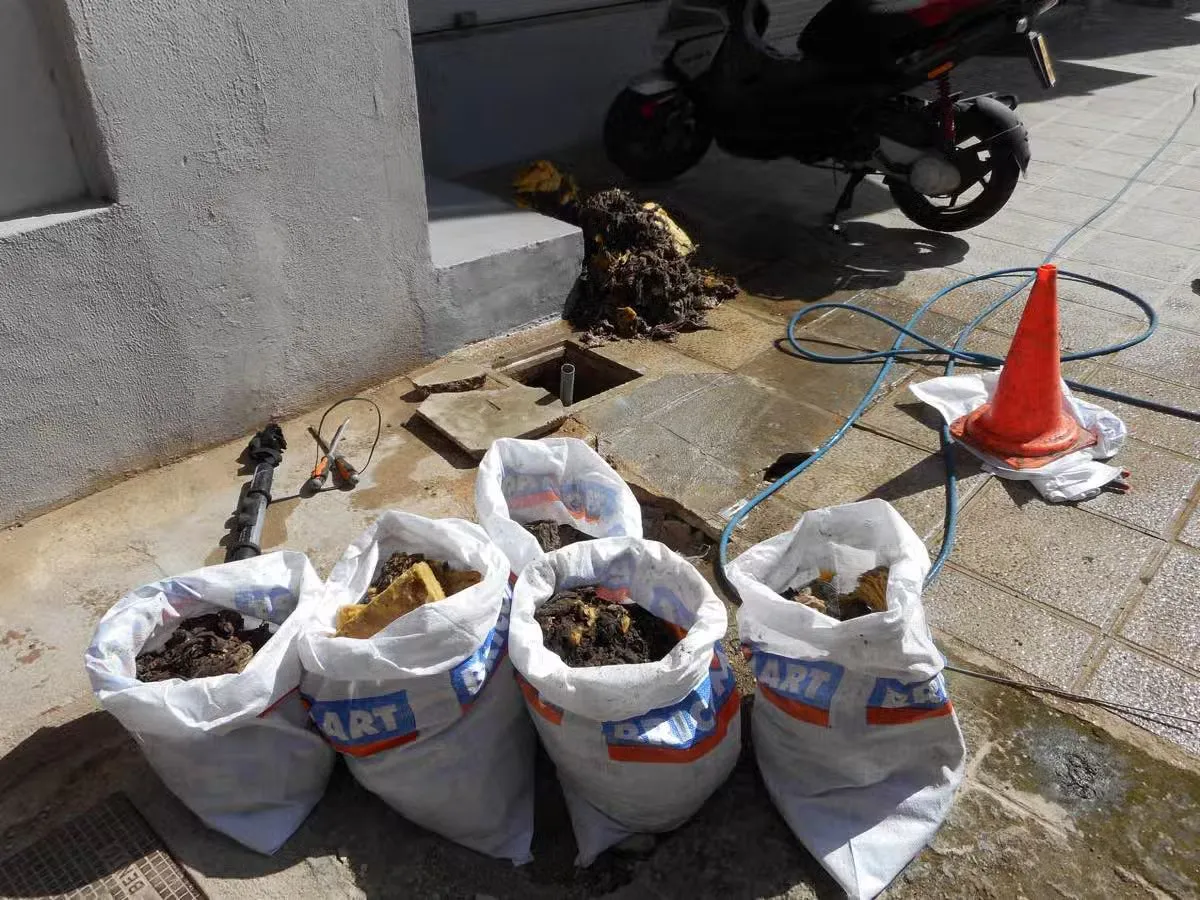
When a cistern or water tank cleaning is scheduled, good preparation beforehand makes the difference between a quick, effective visit and a day full of setbacks. While the technical work itself is handled by the professional team, there are several steps the property owner or the residents' association can take care of in advance so the job runs smoothly. This checklist covers the most important points to keep in mind.
Access and working space
Locate and clear the access points. Before the visit, it's worth identifying where the tank's inspection hatch or hatches are and checking that they can be reached without obstacles. If the access is covered by plant pots, garden furniture, overgrown vegetation, or anything else, this is the time to move it. Clear access saves the technician time and avoids damage to nearby objects during the work.
Clear the area around the tank. The equipment used to drain, clean, and disinfect a cistern — hoses, pumps, lighting rigs, containers for sediment — needs room to work. Moving bicycles, tools, plant pots, or anything else cluttering the perimeter of the tank makes the job easier and reduces the risk of accidents during cleaning.
Water cut-off and letting neighbours know
Arrange for the water supply to be shut off or partially drained. In many cases, cleaning requires the tank to be empty or partly empty so the interior can be accessed safely. It's worth discussing with the technician beforehand whether the water supply to the property needs to be cut during the process, and scheduling that cut-off for a suitable time, letting residents know in advance so they're not caught without water partway through the job.
Notify residents or neighbours in advance. For a shared tank supplying several homes, it's essential to inform all residents well ahead of time about the date and expected duration of the water cut-off. This avoids last-minute complaints and lets each household plan around it, for example by storing some water for basic use during the hours the work takes.
When to schedule the cleaning
Picking the right date makes everything easier. On country properties that depend entirely on their cistern, the best time is usually when the level is low: emptying a full tank means throwing away a lot of water, which nobody in Mallorca wants to do, least of all at the end of summer. If your water is delivered by tanker, the sensible approach is to book the cleaning just before the next fill, so the tank receives fresh water straight after being cleaned and disinfected. For cisterns that collect rainwater, it's best done before the first heavy autumn rains, which is also a good moment to check that gutters and downpipes are clear.
In second homes and holiday rentals, the calendar rules. The practical choice is to book the cleaning before the season starts or during a week without guests, never on a changeover day. If you manage a rental, this fits in with the other checks worth doing when preparing a holiday rental.
Information to have at hand
Note any known issues to report to the technician. If you've noticed a bad taste, an unusual smell, changes in the water's colour, insects, a lid that doesn't close properly, or any other anomaly, it's worth writing it down and mentioning it when the team arrives. This information helps guide the cleaning toward likely problem areas and can prevent an issue from recurring after the job is done. If you're unsure whether what you're seeing is normal, go through the signs of a contaminated cistern before the visit.
Beyond any problems, some basic facts help the technician plan the job: the approximate capacity of the tank, what it's made of (masonry, fibreglass or polyethylene), where the water comes from (mains, well, rain or tanker), when it was last cleaned, and whether a pump, pressure set, filters or water softener are connected. If you're not sure about something, a photo of the hatch and its surroundings sent when you book is usually enough for the team to arrive with the right equipment.
Safety conditions
Keep safety in mind. The inside of a cistern is a confined space, and cleaning it should always be left to professionals trained and equipped to work in that kind of environment. As the owner, it's enough to make sure the access itself doesn't add extra risk — for example, a damaged lid or a worn access ladder — and to flag it if that's the case.
What happens on cleaning day
Knowing the process helps you plan. In a cistern cleaning the team first pumps out the remaining water and removes the sludge and sediment that has built up on the bottom, which on an island with water as hard as Mallorca's usually includes a fair amount of limescale. The walls, floor and ceiling are then cleaned, the whole interior is disinfected and rinsed, and only then is the tank put back into service. The waste removed is taken away and delivered to an authorised handler; it isn't dumped in the garden or down the drains.
The visit is also the moment to check the parts that protect the water once the lid is shut: the lid itself, the seals, the overflow, the vents and their mesh screens. A broken screen or an ill-fitting lid often explains how insects, dust or light get in, and it's far easier to spot with the tank empty. In apartment buildings and residents' associations, water tank cleaning follows the same procedure.
Afterwards: refilling and upkeep
Once the job is finished, follow the technician's advice on when to refill and restart the pump. When the supply is back, run the taps around the house for a few minutes to bleed out the air, and use the opportunity to replace filter cartridges if you have them: an old filter can put back into the water exactly what has just been taken out of the tank.
From then on, upkeep is simple: keep the lid closed and in good condition, keep gutters and inlets free of leaves, note down the cleaning date, and book the next one at the interval recommended for your usage and water source. In tanks where water sits still or warms up in summer, regular cleaning is also the best defence against problems such as Legionella growth.
Following these steps doesn't just speed up the visit, it also leads to a more thorough result: the better prepared the surroundings and the more information the technician has before starting, the more effective the cleaning will be, and the less likely the job will need repeating sooner than expected. At Tuberías y Aljibes we usually go through these points with the client before each visit, precisely so the cleaning day runs without a hitch. If you have any questions, call us on 695 787 366.
Frequently asked questions
Do I need to be at home while the cistern is cleaned?
Not always, but it helps if someone can open up the access points, show where the stopcocks are and cut the supply if needed. For a second home, it's enough to have access sorted in advance and a contact phone number available during the visit.
How long will I be without water?
It depends on the size of the tank, how much water is left in it and what condition it's in. The technician will give you an estimate when the visit is booked, so you can let neighbours know and set aside some water for basic needs during those hours.
Should I empty the tank myself before the team arrives?
There's no need, and it's generally better not to without checking first, because the team brings its own pumps and will decide what to do with the remaining water. What does help is not filling it right before: if your water comes by tanker, schedule the next delivery for after the cleaning.
Do you clean cisterns on remote country properties?
Yes, we work all over Mallorca, from tanks in Palma apartment buildings to cisterns on inland estates, for example around Manacor. If the access track is narrow or gated, mention it when you book so we can plan how the truck will get in.
Related services
Where we work
Keep reading
24h emergency unblocking
Emergency: +34 695 787 366